State GDP Comparisons: Where Malaysia’s Wealth Concentrates
Understanding the economic divide between Peninsular Malaysia and East Malaysia, and why certain states dominate the nation’s GDP figures.

The Economic Geography of Malaysia
Malaysia’s economy isn’t evenly distributed across its 13 states and three federal territories. When you look at the numbers, a clear pattern emerges. Selangor, Kuala Lumpur, and Johor together account for roughly half of the nation’s total GDP. That’s not by accident — it’s the result of decades of investment concentration, industrial development, and strategic geographic positioning.
The gap between the richest and poorest states tells a story about regional development policies, infrastructure investment, and economic opportunity. Understanding these disparities matters because they shape everything from job availability to living standards across the country.
The Top Performers: Selangor and Kuala Lumpur
Selangor’s dominance in Malaysia’s economy is striking. The state generates roughly RM600 billion in annual GDP, accounting for about 21% of national output. Kuala Lumpur adds another RM300+ billion. Combined, these two regions represent nearly a quarter of Malaysia’s total economic output. It’s not surprising when you consider what’s concentrated here: the financial sector, technology companies, manufacturing plants, petrochemicals, and the country’s largest port in Port Klang.
Johor follows as the third major economic hub. The state’s ports, petroleum refineries, and proximity to Singapore make it a crucial trading node. Penang ranks fourth, driven by electronics manufacturing and tourism. These four regions account for nearly 60% of Malaysia’s GDP. The remaining nine states and three federal territories share the rest.

East Malaysia’s Economic Challenge
Sabah and Sarawak represent an interesting paradox. They’re resource-rich states with vast oil and gas reserves, timber wealth, and significant agricultural potential. Yet their economic output per capita lags behind Peninsular Malaysia by a considerable margin. Sabah generates around RM90 billion annually, while Sarawak produces roughly RM120 billion. That’s substantial, but when you factor in population, the difference becomes clearer.
The reasons are complex. Geographic distance from major markets, infrastructure gaps, limited industrial diversification, and historical investment patterns have all contributed. Oil and gas revenues, while significant, haven’t translated into broad-based economic development the way they’ve done in other regions. There’s been improvement — Sarawak’s economic growth rates have been competitive in recent years — but the catch-up process remains slow.
Why These Disparities Exist
Industrial Concentration
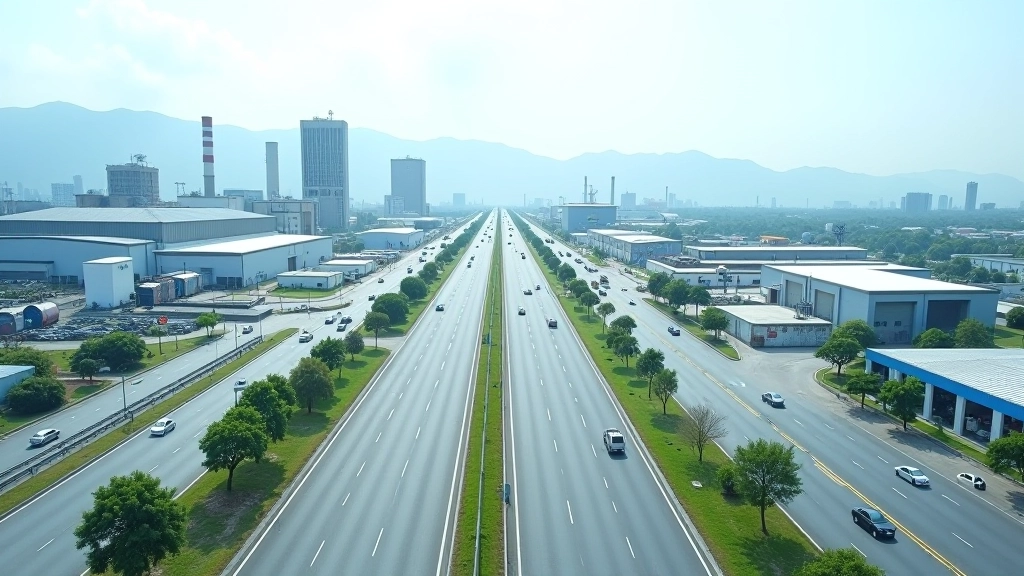
Manufacturing hubs were deliberately developed in the Klang Valley and surrounding areas. Heavy industry, electronics, and petrochemicals clusters grew here over decades, attracting more investment and talent.
Infrastructure Investment
Peninsular Malaysia received earlier and more extensive infrastructure investment. Highways, ports, and rail networks were built to serve the economic centers, creating advantages that compound over time.
Human Capital
Urban centers attract talent, universities, and research institutions. This creates a virtuous cycle where educated workers attract companies, which create more opportunities.
Geographic Proximity
Selangor and Kuala Lumpur’s proximity to major ports, Singapore, and regional markets gives them trading advantages. East Malaysia’s distance means higher logistics costs and longer supply chains.
Economic Corridors: Addressing the Gap
Malaysia’s government has launched several corridor development programs specifically designed to reduce regional disparities. Iskandar Malaysia in Johor, the East Coast Economic Region (ECER), and the Northern Corridor Economic Region (NCER) represent efforts to spread growth beyond the traditional centers. These initiatives provide special incentives, streamlined regulations, and infrastructure support.
The results have been mixed. Iskandar Malaysia has attracted significant foreign investment and become a growth engine for Johor. The corridors have generated thousands of jobs and brought new industries to less-developed regions. However, they haven’t fundamentally closed the gap with Selangor and KL. Rebalancing an economy at this scale takes time — usually decades, not years.


Federal Transfers and Revenue Sharing
The federal government redistributes wealth through transfer mechanisms. Petroleum royalties from oil-producing states like Sabah and Sarawak are shared with the federal government. Similarly, federal grants and development funds flow to states based on need and population. States with lower revenues per capita receive higher allocations to support education, health, and infrastructure.
These transfers are significant but they’re a band-aid rather than a solution. Sarawak and Sabah receive their 5% petroleum royalties, but historical agreements mean they don’t capture as much value as they might. There’s ongoing discussion about restructuring these arrangements, particularly as global energy transitions create uncertainty around oil revenues.
The Path Forward
Malaysia’s state GDP disparities reflect real economic differences, not statistical quirks. Selangor, Kuala Lumpur, Johor, and Penang have accumulated advantages that aren’t easily replicated. But that doesn’t mean the situation is static.
The challenge ahead isn’t just about moving money around — it’s about building sustainable economic foundations in lagging regions. That means investing in human capital, improving logistics and infrastructure, and creating environments where businesses want to operate.
Digital economy development offers new opportunities. Unlike traditional manufacturing, tech companies can operate from anywhere with good connectivity. Some states are capitalizing on this. Penang’s tech sector growth shows what’s possible. Other regions are following similar strategies, though early-stage outcomes vary.
The wealthy states will likely remain dominant — that’s how economics works at scale. But narrowing the gaps is possible with consistent, strategic effort. It requires patience, coordination between federal and state governments, and private sector engagement. Progress won’t be dramatic, but steady improvement is achievable.
Important Disclaimer
This article presents economic data and analysis for educational purposes. GDP figures, state comparisons, and policy mechanisms are presented based on publicly available government statistics and economic reports. Economic data changes annually and regional development strategies evolve. For current official figures, consult the Department of Statistics Malaysia or relevant state economic development offices. This content isn’t investment advice or economic policy recommendation — it’s informational material designed to help readers understand Malaysia’s regional economic structure.