


RegionaPulse Logo RegionaPulse Contact Us
Menu
Contact Us

Regional Economic Disparities in Malaysia

Understanding state-level GDP differences, development gaps between Sabah and Sarawak, and how federal mechanisms shape economic corridors across the nation

Malaysia’s economy isn’t uniform across all states. There’s a real divide between developed coastal regions and less industrialized areas in East Malaysia. We’ve compiled comprehensive resources examining these disparities, exploring how federal transfer mechanisms work, and analyzing the outcomes of major corridor development programs designed to bridge these gaps.

Featured Articles

In-depth analysis of Malaysia’s regional economic landscape

Stack of financial reports and economic data charts on a mahogany desk with glasses and pen nearby

State GDP Comparisons: Where Malaysia’s Wealth Concentrates

Breakdown of Peninsular Malaysia versus East Malaysia GDP figures, showing which states lead economically and why the gaps exist.

12 min Intermediate March 2026
Read More
Map of Malaysia with Sabah and Sarawak regions highlighted in different colors showing economic zones

Sabah and Sarawak Development Gaps: The East Malaysia Question

Examining why East Malaysia lags behind Peninsular Malaysia in industrial development, infrastructure, and economic diversification efforts.

14 min Intermediate March 2026
Read More
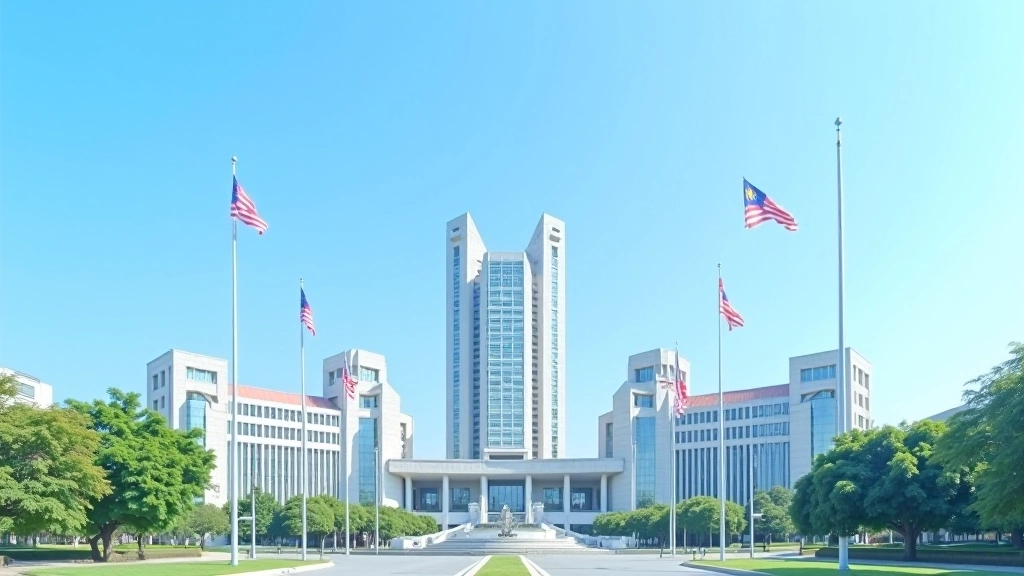
Government buildings in Kuala Lumpur with Malaysian flags against clear blue sky

Federal Transfer Mechanisms: How Money Flows Between States

Understanding intergovernmental transfers, revenue-sharing formulas, and fiscal equalization systems that redistribute wealth across Malaysia’s regions.

11 min Advanced March 2026
Read More
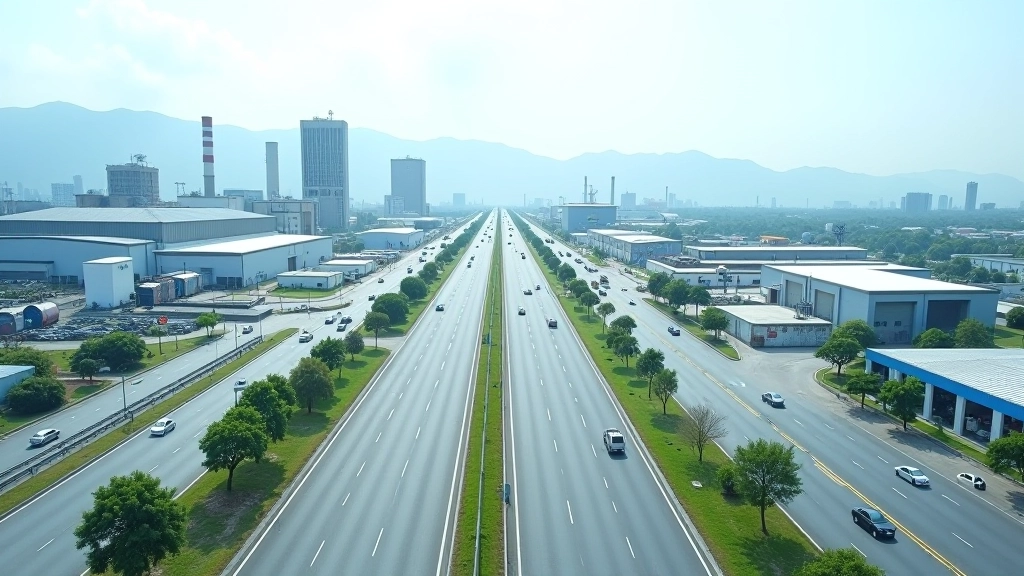
Industrial corridor development with manufacturing facilities and modern highway infrastructure

Economic Corridors: Results from Malaysia’s Growth Initiatives

Analysis of major corridor programs like Iskandar Malaysia and East Coast Economic Region, measuring their success in reducing regional disparities.

13 min Intermediate March 2026
Read More

Key Insights About Malaysia’s Economic Structure

60%

of national GDP comes from Peninsular Malaysia, despite comprising only 40% of total land area

3x

the income difference between highest and lowest-income states, a persistent gap since the 1980s

RM 25B+

annual federal transfers allocated to reduce regional disparities through various mechanisms

7

major economic corridors established since 2006 to drive targeted regional development

Why Regional Disparities Matter

Malaysia’s regional economic disparities aren’t accidental. They’re the result of decades of development patterns where foreign investment, manufacturing hubs, and port facilities concentrated in Peninsular Malaysia — particularly in the Klang Valley and Penang. This created a self-reinforcing cycle. Better infrastructure attracted more businesses, which generated tax revenue, which funded further infrastructure improvements. Meanwhile, Sabah and Sarawak struggled with geographic isolation, smaller markets, and limited industrial capacity.

The federal government recognized this challenge. Since the early 2000s, they’ve invested heavily in economic corridors designed to jump-start growth in lagging regions. Programs like the Iskandar Malaysia Development Region in Johor, the East Coast Economic Region spanning Pahang, Terengganu, and Kelantan, and initiatives in Sabah and Sarawak all aimed to redistribute opportunities. The results? Mixed. Some corridors showed real progress. Others faced implementation challenges, limited private sector participation, or unrealistic targets.

Understanding these disparities matters because they shape policy debates, investment decisions, and social tensions. Poorer regions demand more resources. Wealthier states question whether their tax contributions fund inefficient transfers. And businesses navigate complex decisions about where to locate operations. These articles explore the data behind the headlines, examining what’s worked, what hasn’t, and what the future might hold for Malaysia’s economic geography.